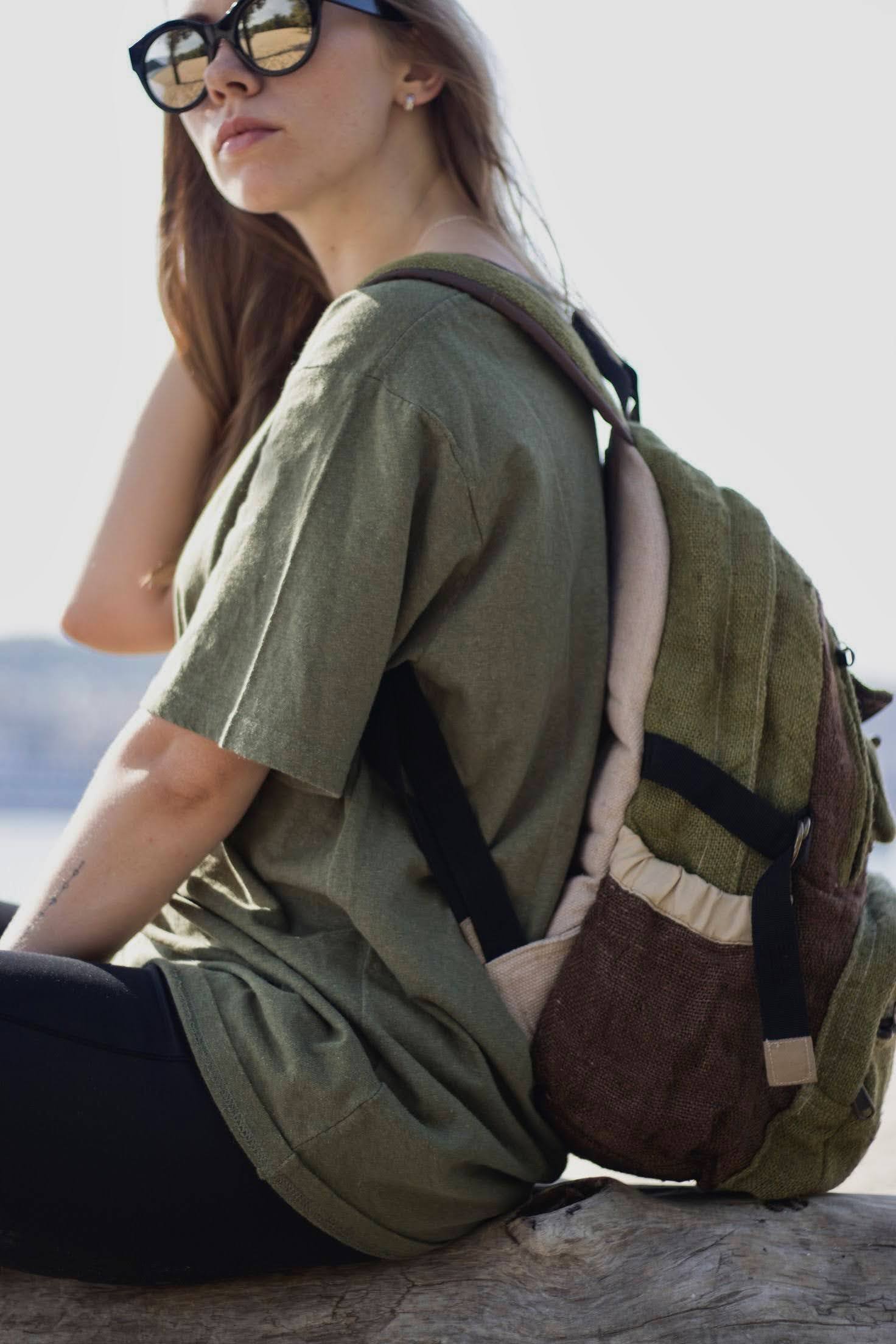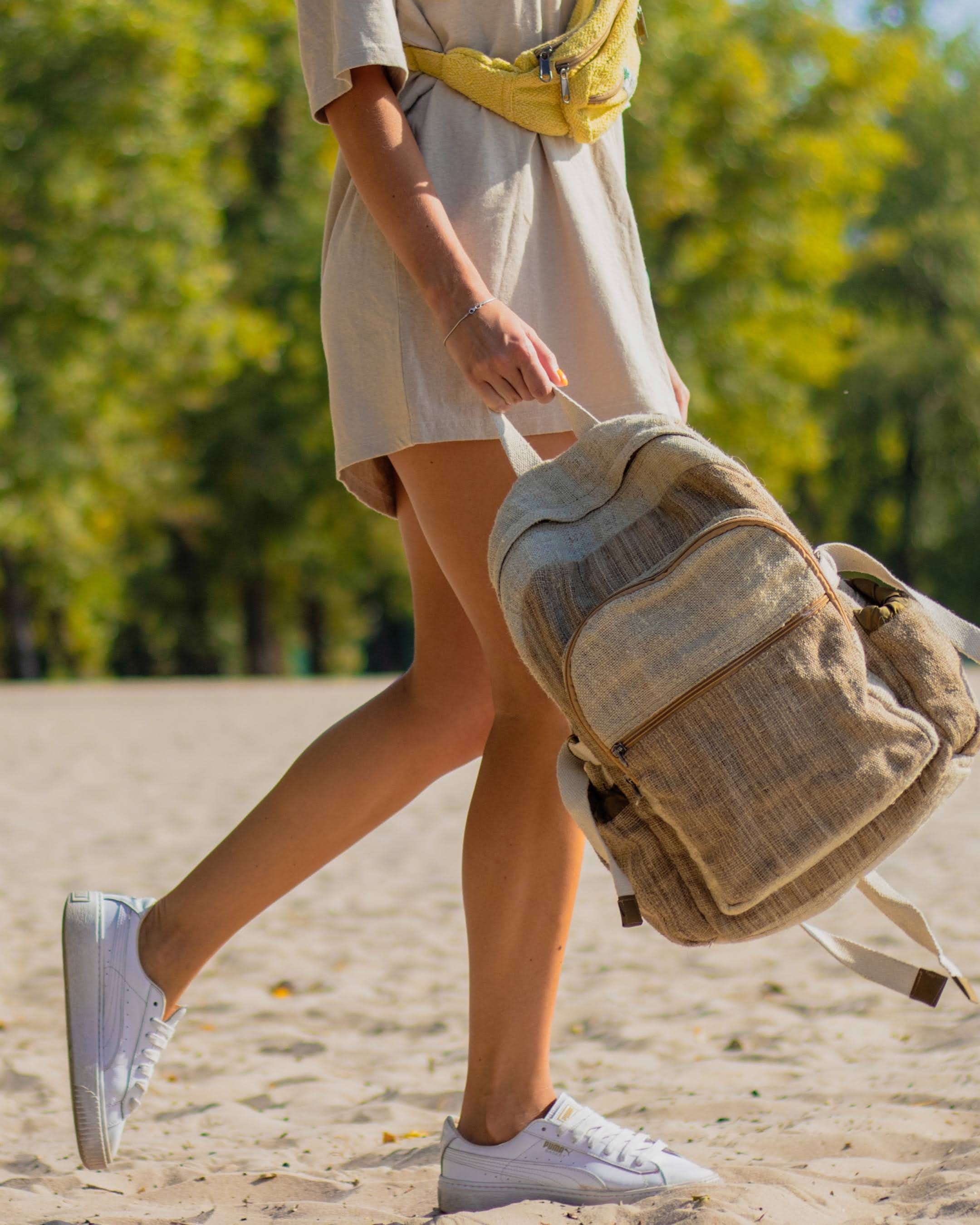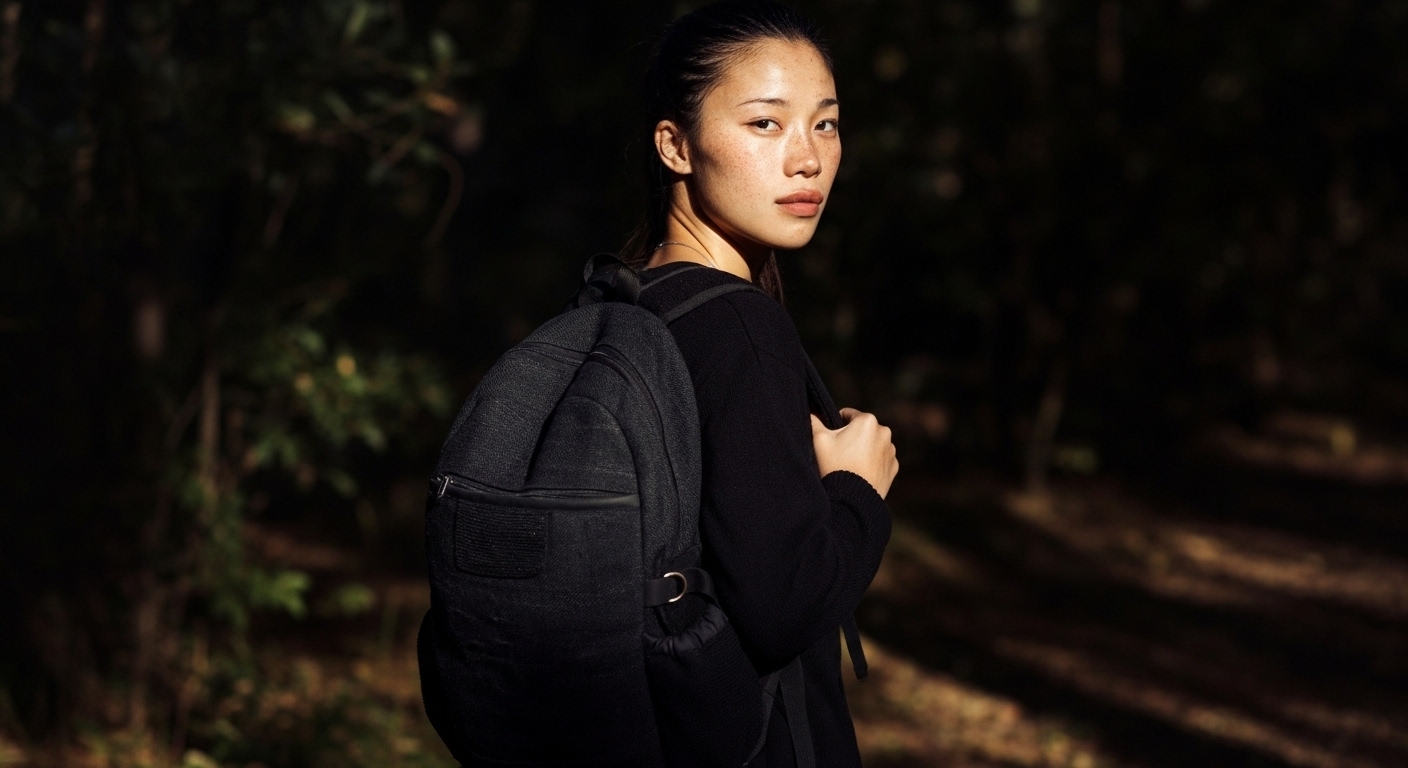
Start with objects, not liters
List what you carry at least three times a week: laptop, charger, bottle, documents, headphones and a light layer. A 12–16 liter pack often covers lighter city routes. An 18–20 liter format gives more flexibility for study, gym gear or short carry-on travel.
Match the laptop compartment to real dimensions
A “15-inch” label does not always reflect the thickness and bezel of every computer. Compare the device’s actual width, height and depth with the internal sleeve. Soft protection should separate the laptop from your back and from hard objects in the main compartment.
Inspect the load-bearing zones
Straps should adjust smoothly without twisting. Look closely at their attachment points, the top handle, zipper paths and base. These areas absorb the most stress. For daily commuting, an accessible pocket for small items and a separate bottle pocket save time without adding unnecessary complexity.
Different routes need different priorities
Public transport rewards a compact outline and quick document access. Cycling calls for a stable fit and ordinary rain protection. Short travel needs useful capacity, clear organization and reasonable empty weight. If you only need a phone, wallet and keys, a fanny pack or small hemp bag is smarter than a half-empty backpack.
Material and care are part of the decision
Hemp canvas suits people who value natural texture and accept gentler care. BYHEMP’s water-resistant membrane helps during everyday city rain, but it is not a substitute for specialist dry-bag protection. Read how hemp fabric is made to understand what the material can—and cannot—do.
Leave a little room—but do not buy empty space
An extra two or three liters helps with gloves, a snack or a light sweater. An oversized pack encourages unnecessary weight and lets the load shift. Thoughtful internal organization is usually more useful than maximum capacity purchased “just in case.”